Clogged toilets… every homeowner’s favorite part about home ownership! Surely it’s happened to you in some way or another – you are hosting friends or family, everything is going fine, and then the toilet will not flush. A clogged drain has a way of turning a fun evening into a stressful one pretty quickly.
Quick Summary
In a perfect world, unclogging your toilet is always a very simple and straightforward task. However, there are times when plunging your toilet that things can go wrong! In this article, we’ll arm you with the know-how you need to make the unclogging process as smooth as possible.
The key is using the right type of plunger, creating a tight seal, and plunging with controlled, forceful motions for 15 to 20 seconds at a time. This guide walks you through the exact steps professional plumbers recommend, plus common mistakes to avoid and when it is time to call a professional.
Clogged drains happen to almost every homeowner at some point. When they do, a plunger is usually the first tool people reach for. Unfortunately, many clogs do not clear simply because the plunger is being used incorrectly.
Plunging the right way helps remove the blockage without splashing, damaging pipes, or pushing the clog deeper. Below is a simple, plumber approved method you can use with confidence.
Before You Start Plunging
Use the Right Type of Plunger
Not all plungers are the same, and using the wrong one can make plunging ineffective.
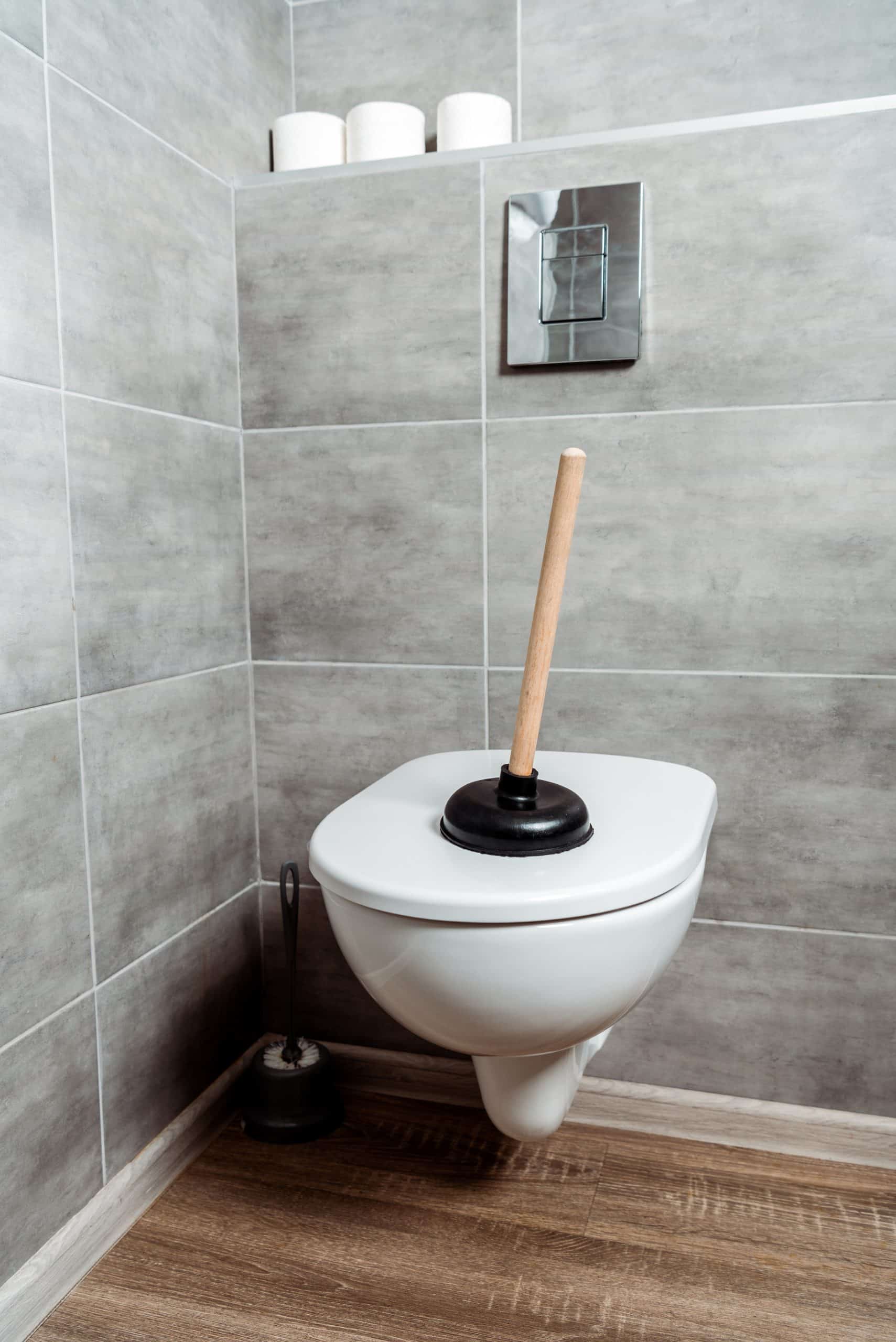
A flange plunger is best for toilets. This plunger has a soft rubber flap that fits inside the toilet drain and creates a stronger seal.
A cup plunger is best for sinks, tubs, and showers. This plunger has a flat rubber cup and does not seal properly in a toilet.
If you are plunging a toilet, always use a flange plunger.
Make Sure There Is Enough Water
Water is necessary to create suction. The plunger cup should be fully submerged.
If the water level is too low, add enough water to cover the plunger cup.
If the bowl is close to overflowing, wait for the water level to drop before plunging.
Prepare to Avoid a Mess
Plunging can splash if done too aggressively at first.
Start slowly to avoid splashing
Wear gloves if available
Keep towels nearby just in case
Step by Step: How to Use a Plunger Correctly
Step 1: Position the Plunger
Place the plunger over the drain at a slight angle to allow water to fill the cup. Once filled, straighten the plunger so it completely covers the drain opening and forms a tight seal.
A good seal is the most important part of plunging.
Step 2: Start With a Gentle Push
Begin with one gentle push downward. This forces trapped air out of the plunger and helps establish suction. Starting too aggressively can cause water to splash out of the bowl or sink.
Step 3: Plunge With Controlled, Forceful Motions
Once suction is established, plunge up and down using short, forceful motions.
Keep the seal intact
Focus on pushing and pulling the water, not yanking the plunger
Continue plunging for about 15 to 20 seconds
The pressure helps break up or dislodge the clog so it can move through the drain.
Step 4: Check Drainage and Repeat if Needed
Lift the plunger away and see if the water drains.
If the water starts moving, flush or run water to confirm the clog is cleared.
If not, repeat the plunging process a few more times.
Many clogs require more than one attempt.
Common Plunging Mistakes to Avoid
Using the Wrong Plunger
A cup plunger will not create enough suction in a toilet. This is one of the most common reasons plunging fails.
Plunging Too Hard Too Fast
Aggressive plunging at the start often breaks the seal and causes splashing. Controlled pressure works better than brute force.
Giving Up Too Quickly
Some clogs are stubborn. Multiple rounds of plunging are often necessary before the blockage clears.
When a Plunger Will Not Work
A plunger works well for simple clogs, but it is not a solution for every situation.
Signs a plunger may not be enough include water that does not move at all after multiple attempts, repeated toilet clogs, gurgling sounds from other drains, or water backing up in sinks or tubs.
In these cases, the clog may be deeper in the plumbing system.
When to Call a Professional Plumber
If plunging does not solve the problem after several attempts, it is best to stop. Continued plunging can push the clog further into the pipe or cause an overflow.
A licensed plumber can safely clear stubborn clogs, identify underlying issues, and help prevent future problems without damaging your plumbing.
Final Tips for Successful Plunging
Always use the correct type of plunger
Make sure the plunger cup is fully submerged
Focus on pressure and suction rather than speed
Be patient and repeat the process if needed
Knowing how to use a plunger correctly can save time, stress, and unnecessary mess.
Frequently Asked Questions About Using a Plunger
How long should you plunge a toilet?
Most plumbers recommend plunging for about 15 to 20 seconds per attempt. If the clog does not clear, wait a moment and try again.
Should the flange on a toilet plunger be extended?
Yes. The flange should be extended when plunging a toilet. It helps create a tighter seal and stronger suction.
Can plunging damage pipes?
When done correctly, plunging is safe. However, excessive force or repeated plunging on severe clogs can cause problems, especially in older plumbing systems.
Why does my toilet keep clogging?
Frequent clogs may be caused by excessive toilet paper, flushing non flushable items, or a deeper blockage in the drain line. Repeated clogs often require professional attention.
Should I use chemical drain cleaners instead of a plunger?
Chemical drain cleaners are not recommended. They can damage pipes and often do not fully clear the clog. A plunger or professional service is usually a safer option.