
Frozen pipes are a common winter plumbing problem in Utah—and one of the most stressful. It’s not an issue you want to face without having some know-how on the subject. With sudden temperature drops, dry air, and overnight hard freezes, pipes can freeze quickly, especially in garages, basements, crawl spaces, and exterior walls.
If you turn on a faucet and little or no water comes out, there’s a good chance you’re dealing with a frozen pipe. Acting quickly and correctly can help prevent serious damage.
Here’s what to do—and what not to do—if your pipes freeze.
Step 1: Shut Off the Main Water Supply
If you suspect a pipe is frozen, your first move should be to shut off your home’s main water valve.
Why this matters:
When water freezes, it expands. If pressure builds behind the ice, the pipe can burst—often not until it begins to thaw. Turning off the water reduces the risk of major flooding if that happens. You can lose 250 gallons of water from a crack only ⅛ of an inch according to South Jordan City!
If you’re not sure where your main shutoff is, this is a good time to find it—or call a professional for guidance.
Step 2: Open the Affected Faucets
Open the faucet (or faucets) connected to the frozen pipe.
This helps by:
- Relieving pressure in the system
- Allowing water and steam to escape as the pipe thaws
- Giving you a clear sign when the pipe begins to open up again
Leave the faucet open while you work on thawing the pipe.
Step 3: Locate the Frozen Pipe
In Utah homes, frozen pipes are most commonly found in:
- Garages
- Crawl spaces
- Basements
- Attics
- Exterior walls
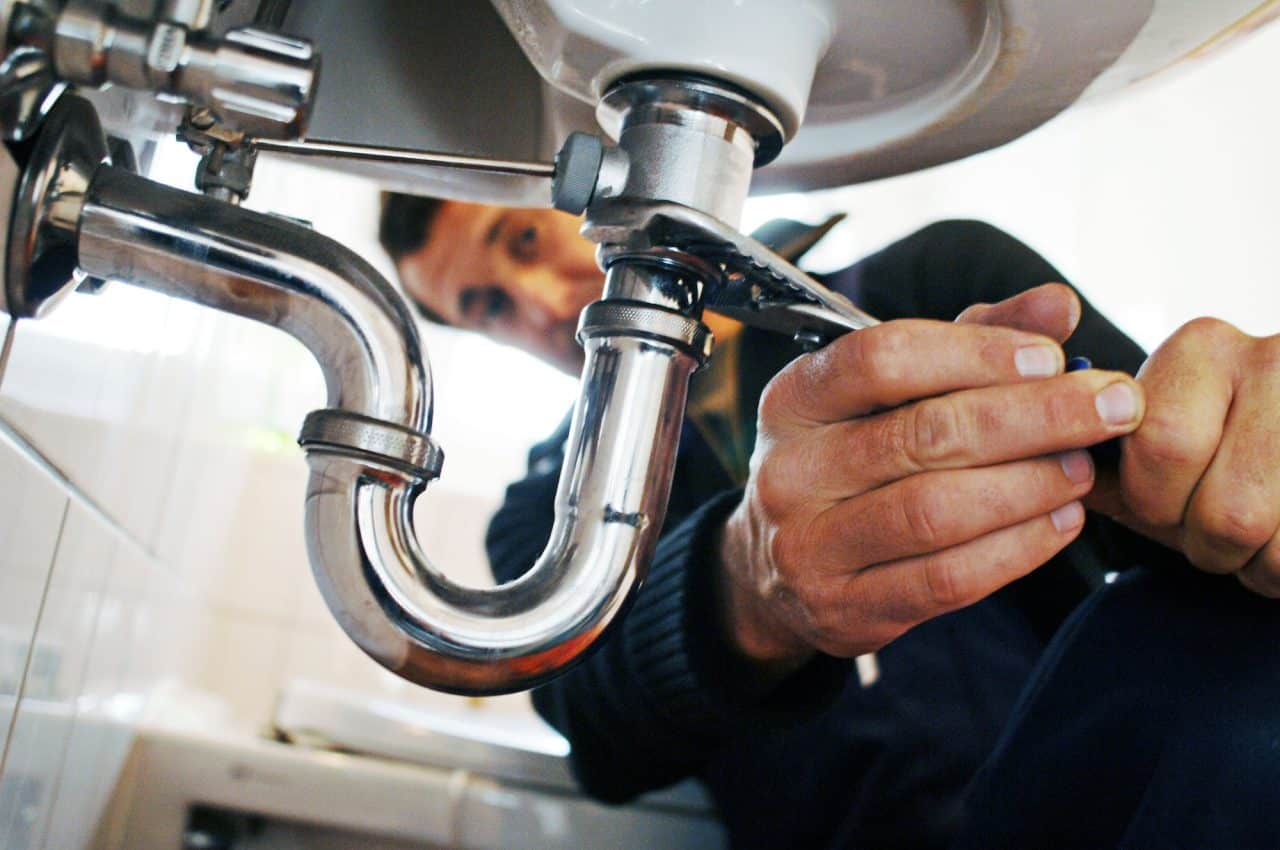
- Under kitchen or bathroom sinks
Look for visible frost, condensation, or pipes that feel extremely cold to the touch.
If the pipe is inside a wall or ceiling and you can’t access it easily, it’s best to stop here and call a professional.
Step 4: Apply Gentle Heat (Safely)
If the frozen pipe is exposed and accessible, you can try to thaw it carefully.
Safe methods include:
- A hair dryer
- An electric heating pad
- Towels soaked in hot water
- A space heater placed several feet away
Start heating near the faucet end of the pipe and work your way toward the frozen section. This allows melting water to escape rather than refreeze deeper in the line.
Never use open flames, blowtorches, propane heaters, or anything that could cause a fire or damage the pipe.
Step 5: Watch for Leaks or Damage
As the pipe thaws and water begins to flow, watch closely for:
- Drips
- Cracks
- Bulging
- Sudden pressure changes
If you notice any damage—or if the pipe bursts—turn the water off immediately and call a plumber. Even small cracks can lead to serious leaks once full pressure returns.
Step 6: Slowly Restore Water
Once water is flowing normally:
- Keep the faucet open
- Slowly turn the main water supply back on
- Check nearby areas for leaks over the next several hours
Some pipe damage isn’t immediately visible, so continued monitoring is important.
When to Call a Professional Plumber
You should call a plumber if:
- The frozen pipe is inside a wall or ceiling
- You can’t locate the frozen section
- The pipe has burst or appears cracked
- You’re uncomfortable attempting to thaw it yourself
Frozen pipe repairs can get complicated quickly, especially in Utah homes with older plumbing or hard water buildup.
Why Frozen Pipes Are Common in Utah
Utah’s plumbing systems face unique challenges:
- Rapid temperature swings
- Overnight hard freezes
- Dry air that increases heat loss
- Pipes routed through garages and exterior walls
- Hard water that can weaken pipes over time
Because of this, frozen pipes aren’t always a sign of neglect—sometimes they’re simply the result of extreme conditions.
A Final Tip for Utah Homeowners
If one pipe freezes, others may be at risk. Replacing older pipes with flexible, durable piping—such as AquaPEX water lines
—can help prevent freeze-related damage. Increasing indoor warmth, opening cabinet doors, and maintaining consistent heat can help prevent additional issues during cold snaps.
And once things are back to normal, it’s worth thinking about prevention before the next freeze.
Need Help With Frozen Pipes?
Told Plumbing is a local, family-focused plumbing company serving Utah homeowners with honest service, clear communication, and quality workmanship. If you’re dealing with frozen or burst pipes—or want help preventing them—we’re here to help.
No pressure. Just straightforward guidance and professional care when you need it.